
Insurance · 5 min read
Why Palisades families are getting 20-30% more from insurance with code-upgrade documentation
Published April 20, 2026
Most California homeowner policies include a code-upgrade rider — typically 10% or 25% of the dwelling limit — to cover the cost of bringing a rebuilt home up to current code. Most families never use it.
Not because the coverage isn’t there. Because the documentation isn’t.
What code-upgrade coverage actually pays for
Anything current code requires that your pre-fire home didn’t have. Class A roof, fire-rated glazing, 5-foot non-combustible perimeter, hardened vents, sprinklers (where required), seismic anchors, Title 24 energy upgrades, Title 20 appliance efficiency, electrical service upgrades for EV-ready, solar-ready conduit.
On a typical Palisades 4,000 sqft rebuild, code upgrades are $150K–$300K of incremental cost over what would have been a like-for-like rebuild. With proper documentation, all of that flows through the rider, not your savings.
How to actually claim it
Step 1: Get a code analysis. Your architect or contractor produces a document listing every current-code requirement, the cost of each, and the specific code section. Without this, your adjuster has no basis to approve.
Step 2: Tag every cost as either dwelling or code-upgrade. Don’t bundle. Class A roof = code-upgrade. Roof shape change you wanted = dwelling. Adjusters approve faster when the line items are clean.
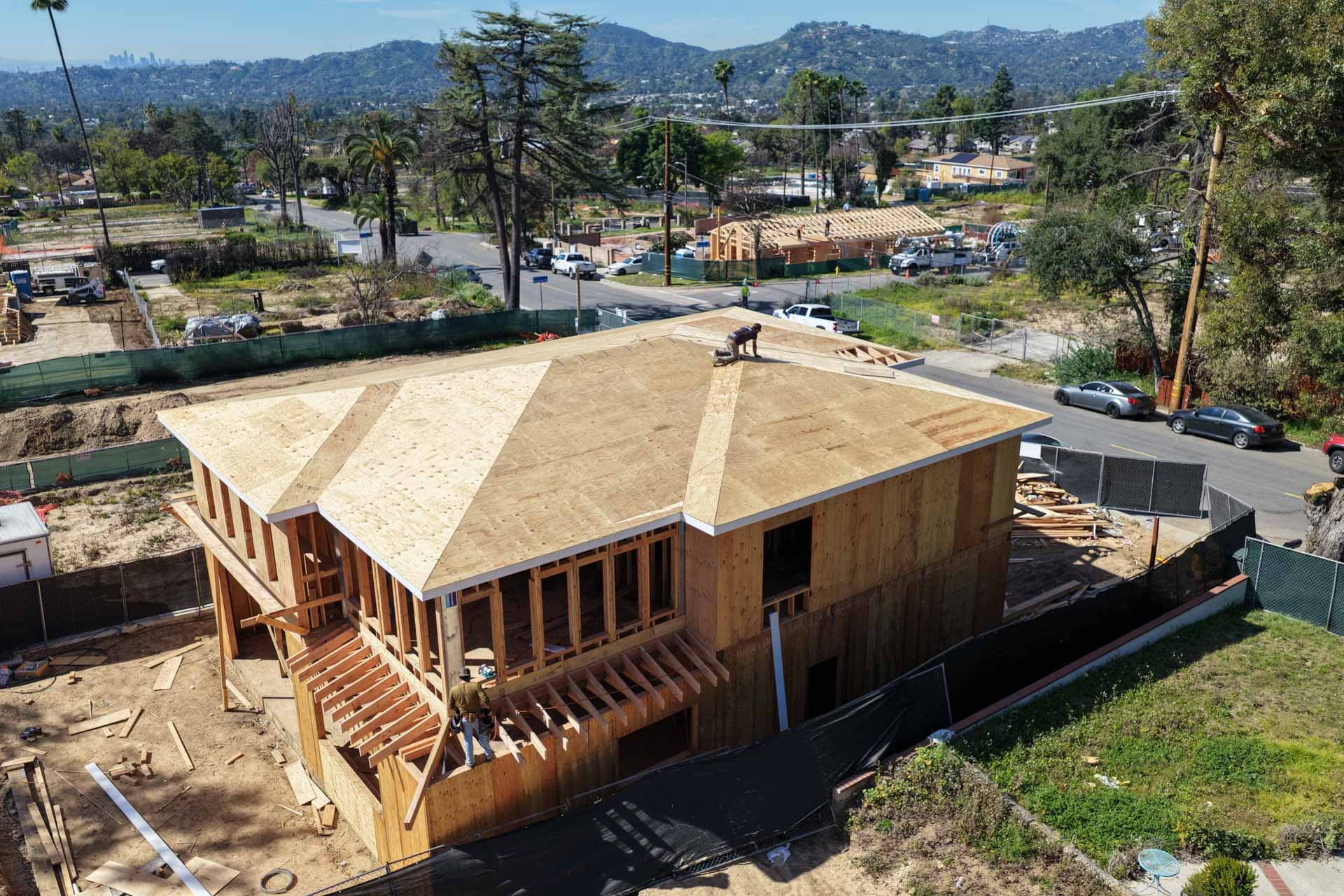
Step 3: Submit before construction starts. Once framing is up, your leverage drops. The adjuster’s job is to manage payout exposure; if you’re committed to the rebuild before they approve the upgrade scope, they have less reason to budge.
Step 4: Don’t accept the first "we don’t cover that" response. Carrier reps sometimes say no by default. The state insurance code is on your side; appeal through your broker if needed.
Where families leave money on the table
Skipping the code analysis. Without it, the adjuster defaults to like-for-like replacement at pre-fire spec, and you eat the upgrade cost.
Buying upgrades that aren’t required. Smart-home wiring, premium finishes, custom millwork — all dwelling, not code-upgrade. Keep them separate.
Not appealing soft denials. "We don’t typically cover that" is not a legal denial. "Per California Insurance Code §10101.3, this upgrade is required to comply with the building permit" is the response that flips it.
If you want help documenting your code-upgrade scope, schedule a free consultation. We’ll review your policy declarations + the current code requirements for your jurisdiction and tell you what you can credibly push your adjuster on.